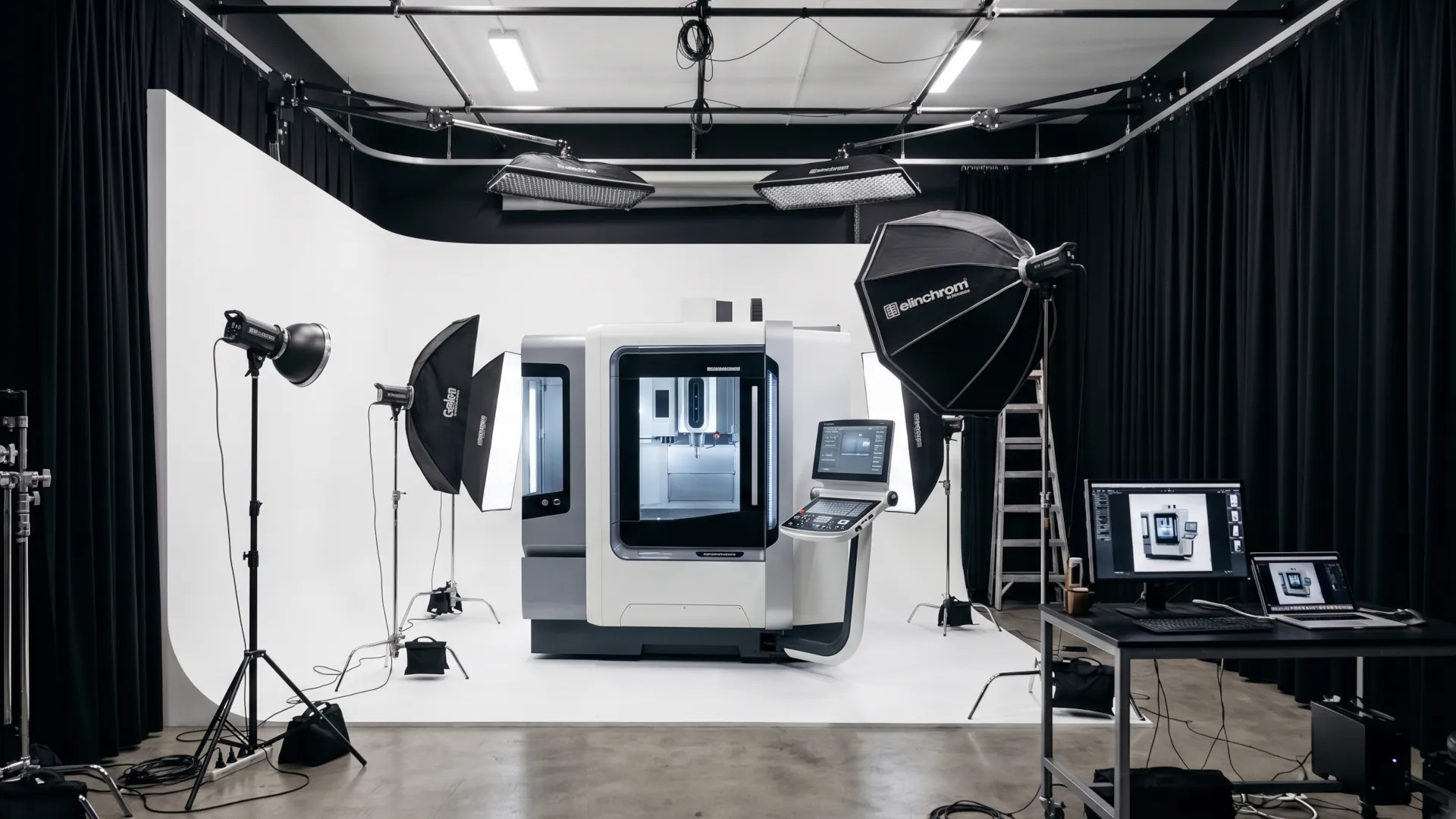
Reducing Carbon Footprints & No Material Waste
Shipping massive industrial equipment to commercial photography sets consumes heavy logistical fuel. Indeed, global freight transport dramatically increases your corporate carbon footprint.
In contrast, digital rendering only requires secure electronic file transfers. This approach cuts transport pollution completely for large-scale industrial plants and components.
Physical photo studios build large wood backdrops and paper sets that end up in landfills. Furthermore, these temporary props are discarded after a single campaign session finishes.
However, 3D textures are completely reusable digital files. This virtual loop provides sustainable asset management for your long-term material visualization loops.
Traditional marketing photography requires building early physical models purely for a visual showcase. Consequently, these expensive prototype shells are often scrapped after the shoot ends.
Virtual workflows utilize engineering files directly. Therefore, you eliminate physical scrap layouts while expanding your clean catalogue imagery assets.
Secure Data Handling
Transporting physical prototypes to open photography studios exposes your unreleased hardware designs to public view. Consequently, this creates major security risks regarding competitive intelligence leaks.
In contrast, my virtual workflow relies entirely on encrypted digital data transfer channels. Therefore, your confidential concepts remain completely invisible to competitors while utilizing my professional 3D rendering services.
External camera crews and third-party studio assistants often expand the risk of unwanted design exposure. However, all my customer communication and engineering file sharing operate under strict non-disclosure agreements.
Every project phase executes within a secure, direct single-source freelance environment. Thus, this discipline reliably safeguards your proprietary business data across my 3D visualization hubs.
Keeping CAD files on external drives indefinitely might conflict with your corporate data guidelines. Indeed, long-term digital protection requires absolute control over your manufacturing blueprints.
Therefore, I completely delete all customer project files upon direct request after final delivery. This secure data management underpins my highly protected and straight-forward collaboration process.