Bypassing Physical Staging Limits & Studio Constraints
Traditional photography setups are bound by physical staging limits. Bulky components or complex heavy machinery require immense studio environments, specialized crane handling, and high-intensity lighting configurations.
By building an open digital studio inside my 3D visualization ecosystem, physical size constraints are non-existent, unlocking boundless compositional freedom for your complete catalog design.
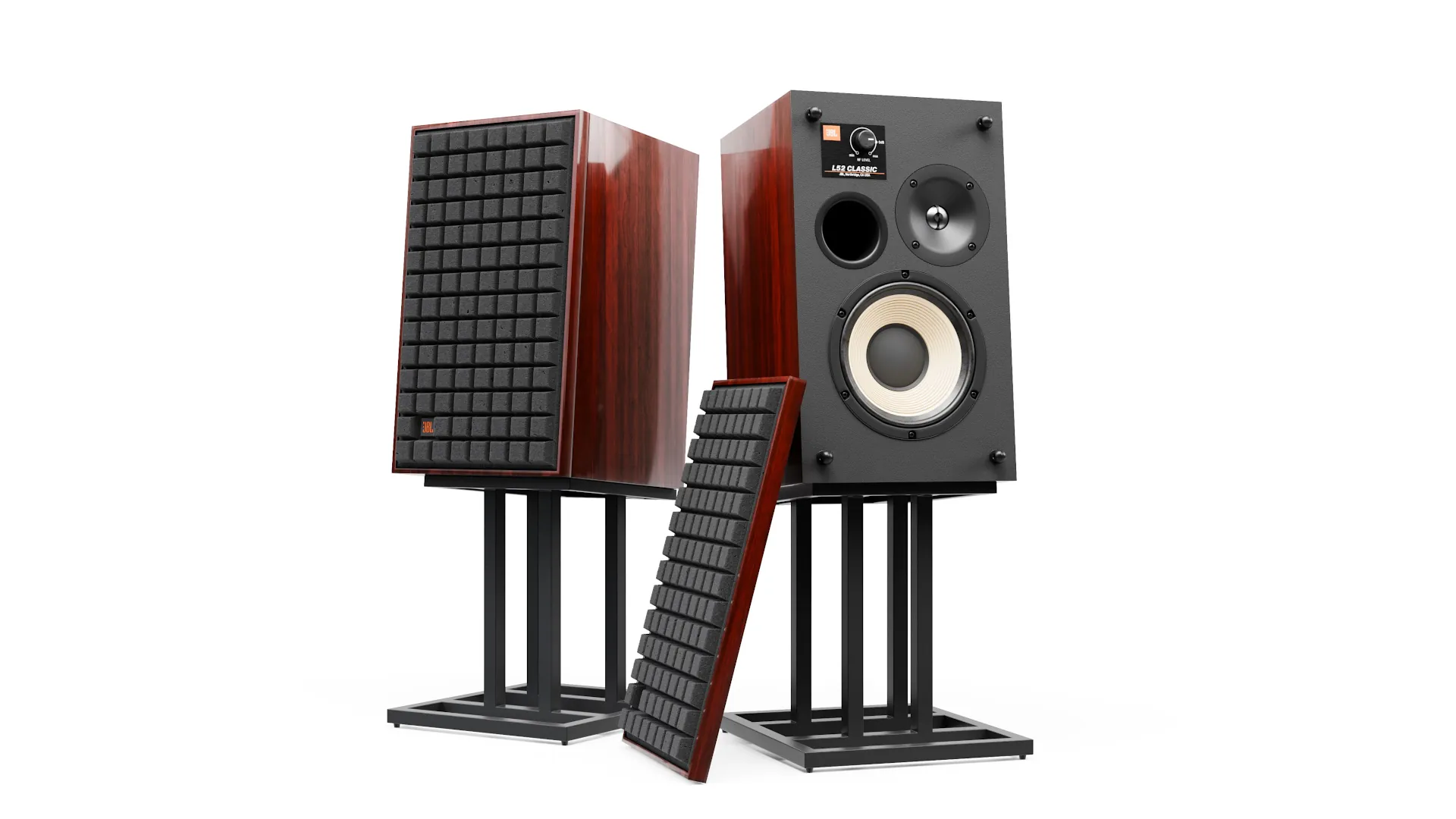
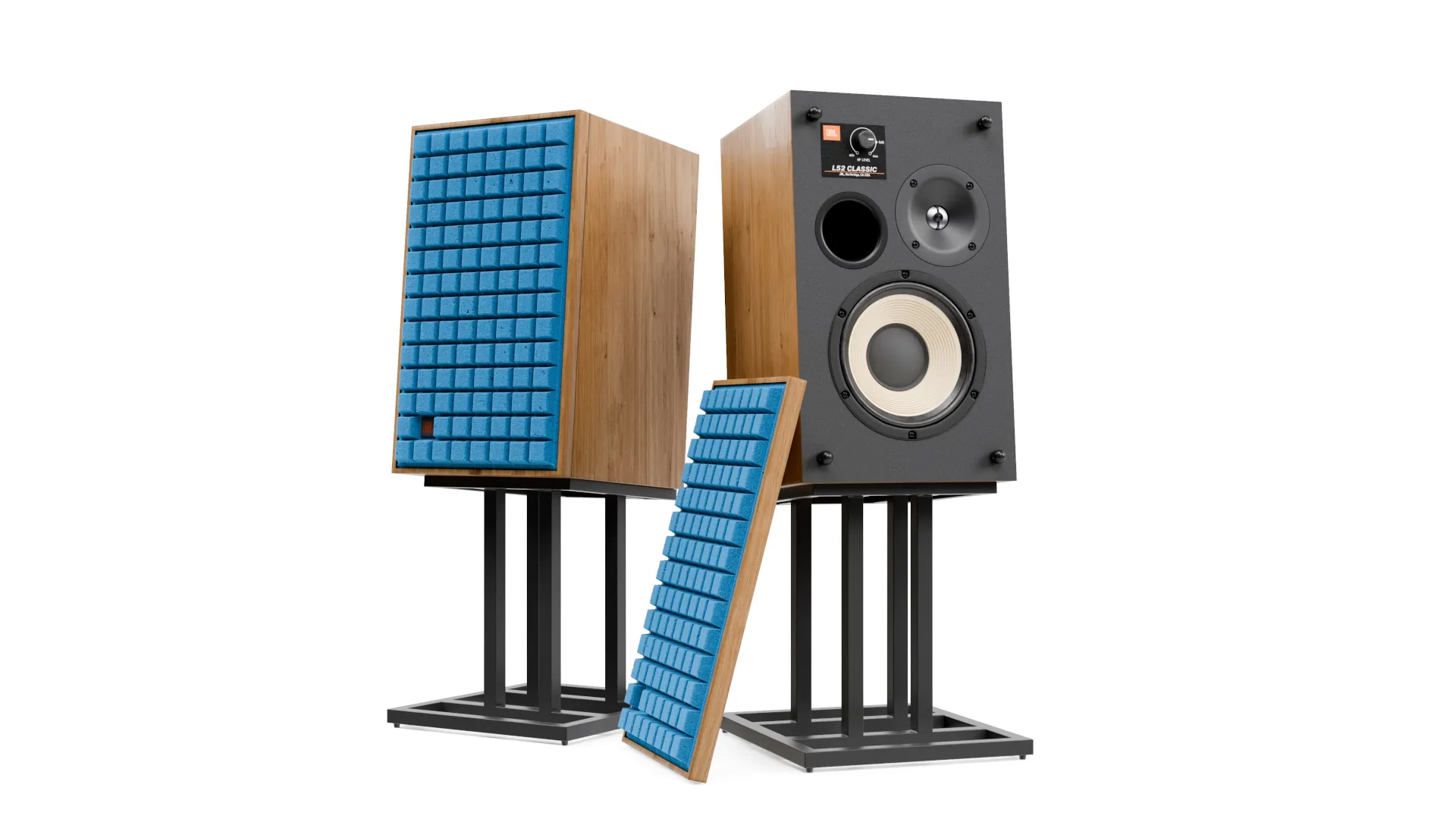
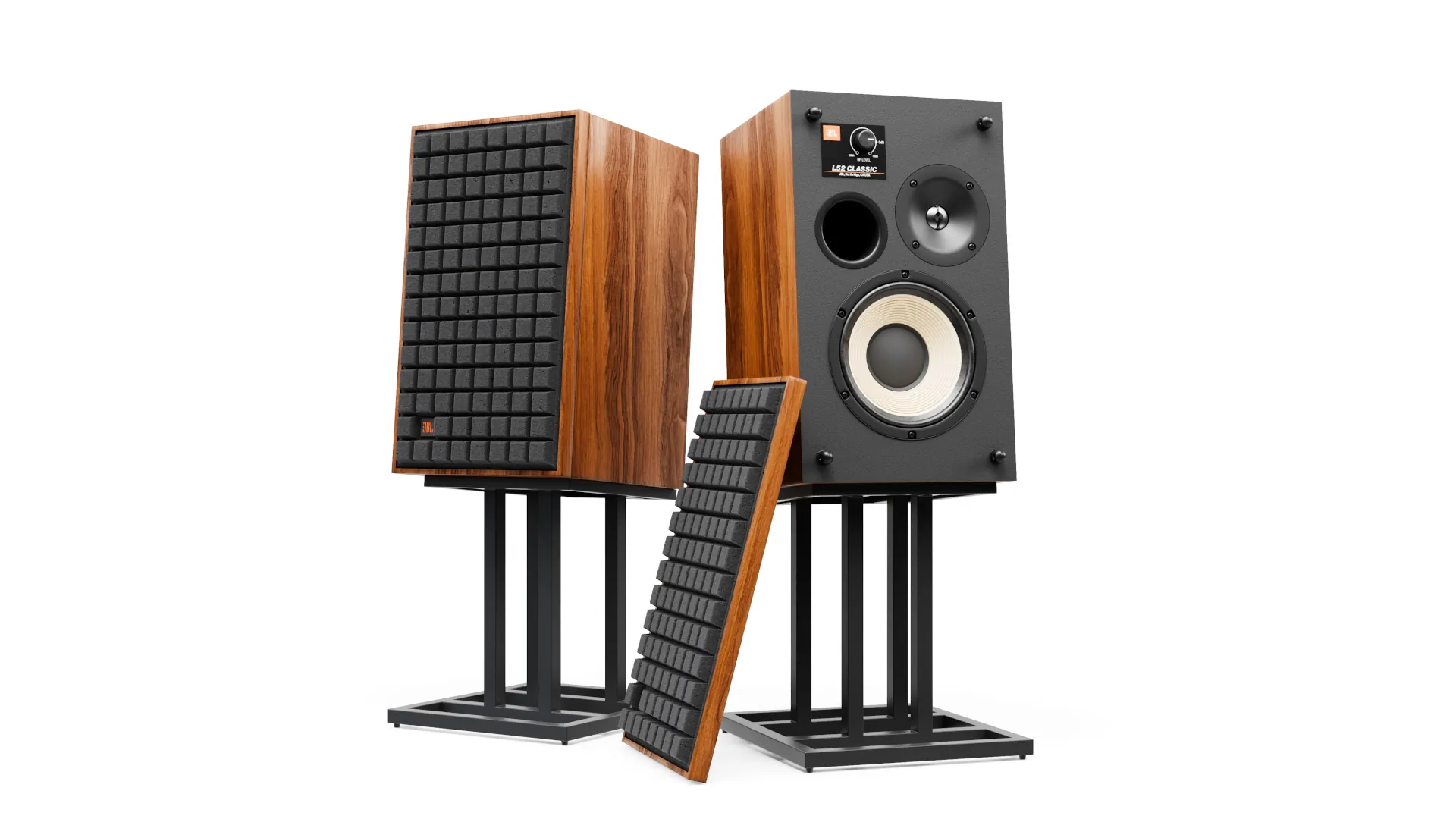
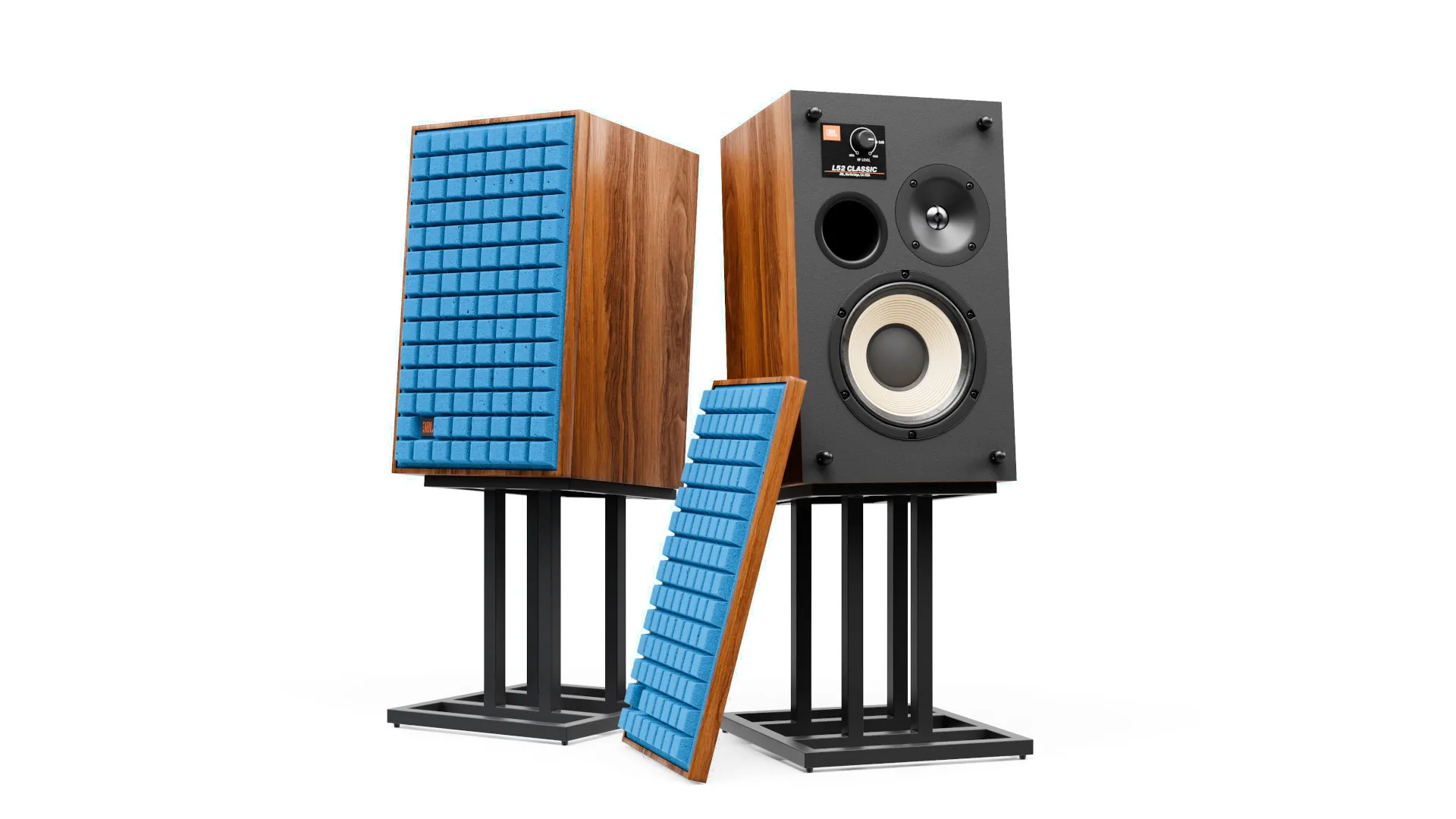
Every alternative material option or surface finish configuration traditionally demands a separate physical build. 3D rendering handles this shift effortlessly through advanced PBR material mapping.
Whether transitioning from high-gloss polymers to textured carbon fiber, surface parameters update instantly across your digital CGI pipelines, saving thousands in recurring prototype construction costs.
A simple color configuration change should not disrupt an active marketing lifecycle. Generating rich multi-variant portfolios digitally allows sales teams to visualize granular options seamlessly.
This agile methodology supports my dedicated material visualization services, ensuring that complex engineering variables are catalog-ready without physical friction.
Breaking Manufacturing Bottlenecks & Logistical Re-shoots
Rigid, sequential strict manufacturing timelines create an operational bottleneck, forcing marketing to wait for factory floor finalization. Deploying photorealistic 3D animations entirely detaches content creation from production lines.
Operating parallel visual tracks on my structured 5-step CAD-to-CGI process allows marketing assets to launch months ahead of physical assemblies, cutting down time-to-market metrics.
Minor design iterations or part errors normally require a complete logistical re-shoot. This means re-crating, re-shipping, and re-insuring expensive equipment back to rigid physical studio setups.
A virtual workflow resolves this liability completely. Design changes are addressed directly on the digital model mesh, shielding your operations from unexpected shipping spikes and cost overruns.
Product updates should not turn existing visuals into obsolete assets. A finalized digital twin acts as a highly scalable foundation built for detailed technical infographics and long-term revision cycles.
As your engineering department modifies mechanical configurations over a product's lifespan, the existing model file easily adapts to updates, making it a sustainable tool across active B2B marketing channels.