Eradicating Environmental Shifts & Real-World Discrepancies
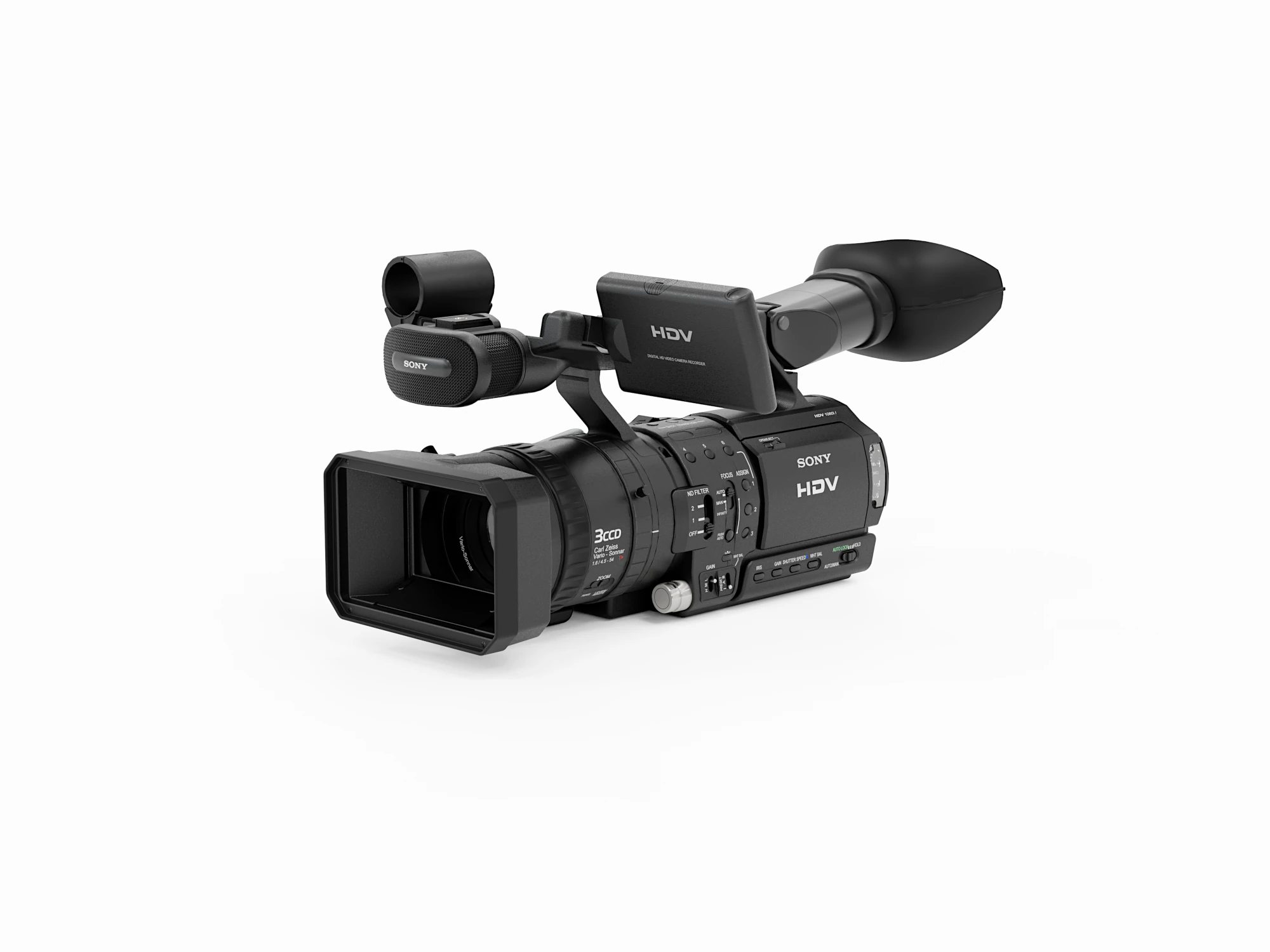
Physical photo sets struggle to maintain lighting across separate production windows. For example, capturing a light-absorbing Sony digital video camera weeks apart from alternative lines introduces noticeable color shifts.
Therefore, locking illumination maps inside software keeps virtual softboxes and reflection values mathematically identical. As a result, this environment stability guarantees that future visual expansions perfectly match your existing catalogue imagery assets.
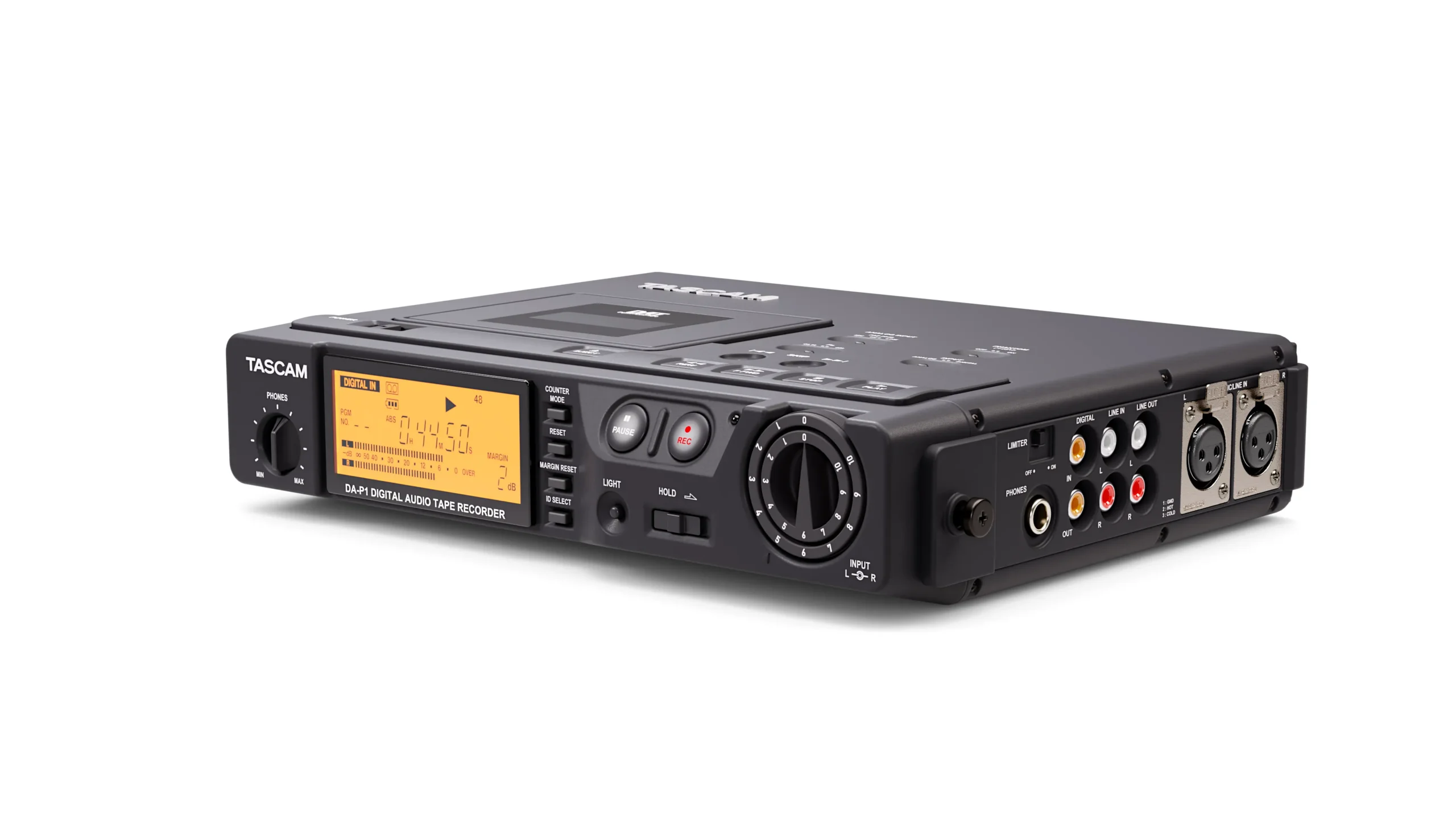
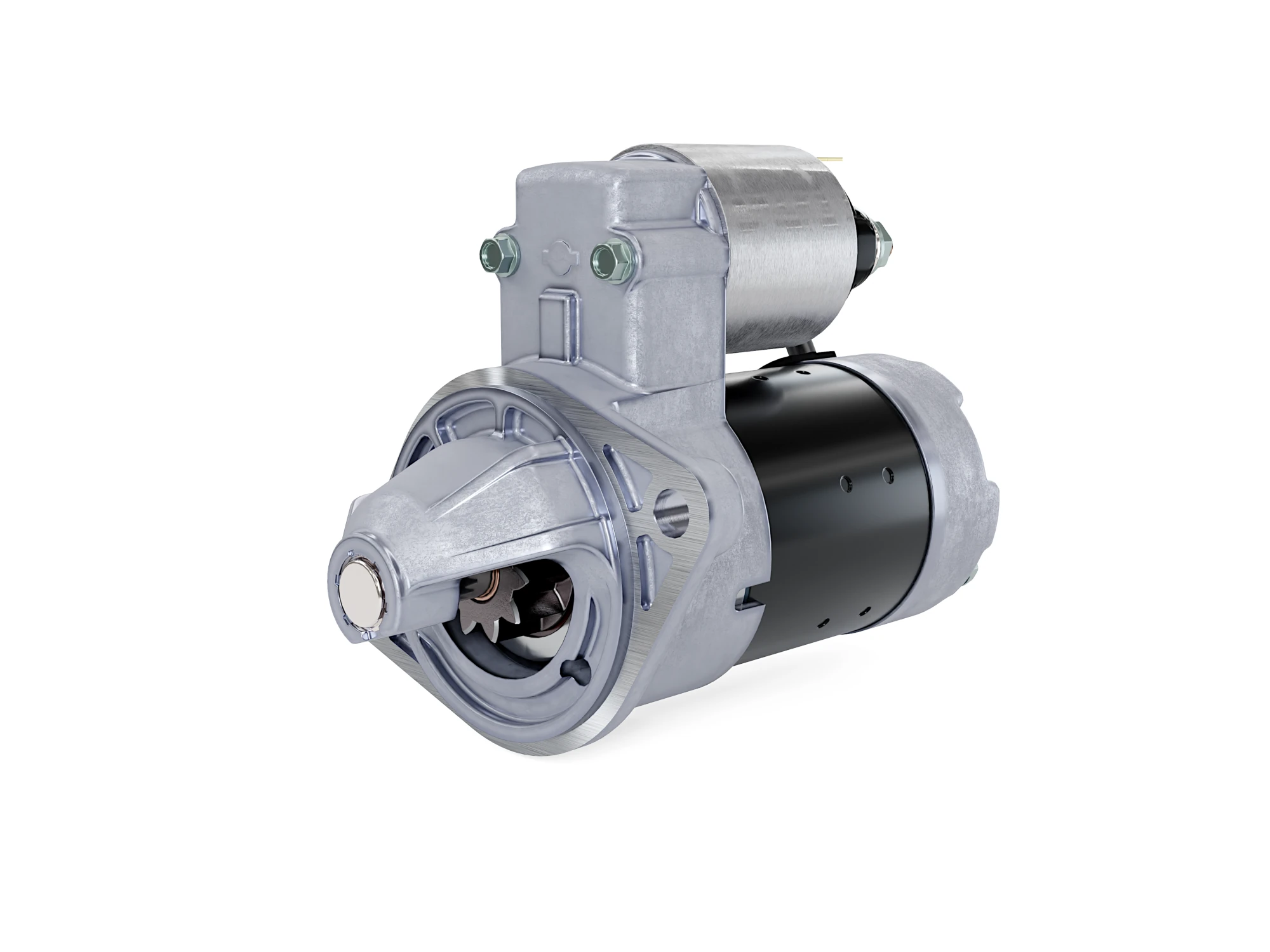
Placing a boxy tape recorder and a complex engine starter onto a physical stage requires constantly realigning tripods. However, adjusting lenses or altering focal planes disrupts your visual continuity.
Virtual cameras solve this structural inconsistency by utilizing script-locked coordinate metrics. Thus, every hardware piece is mounted to an identical digital origin point to ensure a unified perspective across your primary 3D visualization hubs.
Surface finishes must look identical regardless of when an item is added to production. Hence, Physically Based Rendering workflows calculate the brushed steel or cast iron using unchangeable physical laws.
In addition, these specific material profiles are saved as core assets. This step guarantees uniform light reactions during long-term material visualization loops.
Optimizing Display Grids & Long-Term Asset Continuity
Shifting from a camcorder to rugged automotive machinery inside a physical studio forces a complete environment reset. In contrast, a digital asset pipeline handles this cross-industry scaling programmatically through data automation.
Furthermore, this process streamlines large-scale asset rollouts. This infrastructure anchors my comprehensive 3D rendering services for complex, multi-tier industrial portfolios.
Aligning asymmetric hardware types into a cohesive online portfolio is an immense design challenge. Indeed, fluctuating shadow lengths or slight shifts disrupt the browsing experience and dilute brand authority.
Therefore, my pipeline enforces a normalized bounding box. Completely distinct equipment silhouettes rest gracefully on a clean white background with identical visual weight for modern 360-degree product views.
Engineering updates or minor manufacturing shifts should not require re-shooting your entire legacy collection. Instead, new blueprints drop seamlessly into pre-existing lighting arrays.
Consequently, this method joins future modifications to a uniform brand layout. It simultaneously secures your ongoing global scalability pipelines.